New Jersey winters are rough on houses. Freeze-thaw cycles crack masonry, ice dams push under shingles, heavy snow loads stress gutters, and months of cold, dry air age HVAC systems. By April, most NJ homes are due for a proper once-over, and a walkthrough every spring is how you catch $500 problems before they become $15,000 ones.
This is the checklist I share with every buyer after closing. Work through it once a year, especially if your home was built before 1990.
Exterior
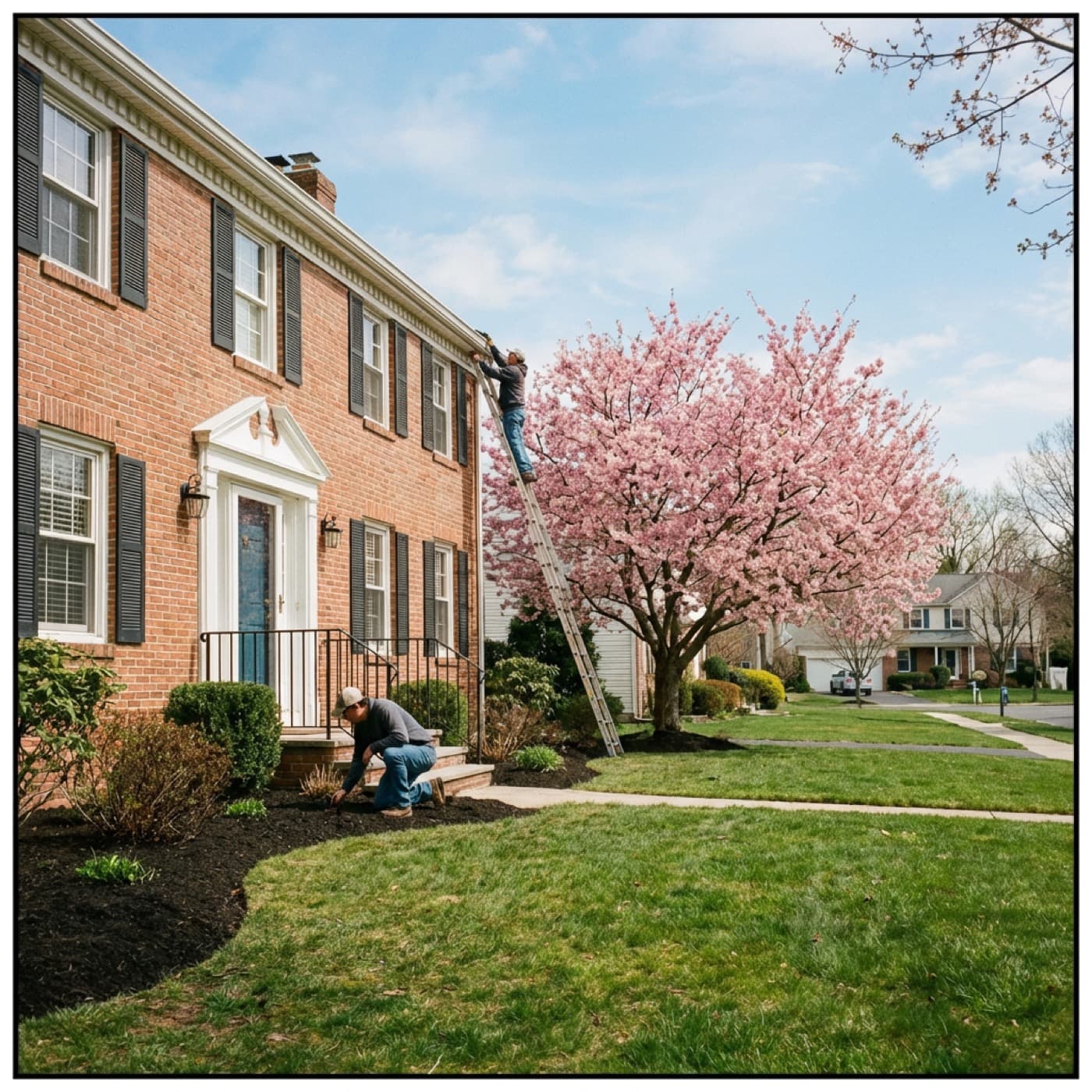
Gutters and downspouts
Winter debris, ice, and shingle granules clog gutters over the cold months. A clogged gutter pushes water back under the fascia boards and rots the soffits. In older NJ homes it can also put water in the basement where the downspouts end too close to the foundation.
- Clean all gutters and flush them with a hose.
- Check that downspouts extend at least 4–6 feet from the foundation.
- Look for sagging sections or gutters pulling away from the roofline, which means the hangers have failed.
Roof
You don't need to walk the roof. For most checks, a pair of binoculars from the yard works fine.
- Look for missing, curled, or cracked shingles.
- Check the flashing around chimneys, skylights, and other roof penetrations, where most leaks start.
- Look for dark streaking (algae) or moss, especially on north-facing slopes.
- If your roof is over 20 years old and hasn't been inspected, book an inspection this spring.
Our January and February freeze-thaw cycles are especially hard on flashing and on flat or low-slope sections. Ice dams are common in the northern counties (Bergen, Passaic, Morris, Somerset), and they can push water under shingles without leaving obvious signs on the outside.
Foundation and masonry
Walk the perimeter and look at:
- Foundation cracks. Hairline cracks are common and usually not structural. Horizontal or step-pattern cracks in a block foundation deserve a look from a structural engineer.
- Chimney mortar. Repointing (tuckpointing) is a $500–$2,000 job that prevents a $10,000+ chimney rebuild later.
- Stucco or brick veneer. Look for bulging, efflorescence (white salt deposits), or cracks at the corners.
Driveway and walkways
Asphalt and concrete take a beating from freeze-thaw. Seal asphalt cracks before the summer heat sets in. Keep an eye on concrete cracks near the garage slab or front steps, because they rarely improve on their own.
Grading and drainage
Spring is the best time to check whether water flows away from your foundation. If you see pooling within 5 feet of the house after a rain, the grade is working against you. Poor grading is a common cause of basement water in NJ homes, and fixing it early (regrading or adding topsoil) is one of the cheaper repairs on this list compared with waterproofing the basement from the inside later.
Interior systems
HVAC
Schedule your annual A/C tune-up in March or April, before the heat arrives and HVAC companies are booked 2–3 weeks out.
- Replace air filters (every 1–3 months, depending on the type).
- Clear debris from the outdoor condenser unit.
- Check that the condensate drain line is clear. A clogged line will shut the system off or overflow into your home.
- Test the A/C on a mild day in April, before you need it.
If you have window units, inspect the seals and casings for winter damage and clean the filters before you put them in.
Oil tank (if applicable)
This is the NJ item that surprises buyers who moved here from other states. A significant share of NJ homes, particularly in Bergen, Essex, Hudson, Passaic, and Morris counties, are heated with oil, and many older homes have either an active oil tank or an abandoned underground storage tank (UST) on the property.
- Active above-ground tank: check for rust, seams, and leaks, and make sure the fill and vent pipes are secure.
- Active underground tank: consider testing the soil around it. Tanks installed before the 1980s are at high risk of leaking.
- If you're not sure whether there's a buried tank, have an oil tank sweep done (typically $150–$300 with electromagnetic detection). A leaking buried tank can cost $10,000–$80,000+ to remediate and will complicate any future sale.
At $150–$300 for a sweep, I'd rather know than guess.
Sump pump
April in NJ means rain, and a sump pump that fails during a spring storm is one of the most common causes of finished-basement damage.
- Pour water into the pit and confirm the pump turns on.
- Check that the discharge line is clear and ends away from the foundation.
- Look up the pump's age.
If your pump is more than 7–10 years old, I'd replace it this spring instead of waiting for it to quit in a storm. Pumps typically run $150–$400 for the pump plus installation, far less than the cost of water damage.
Water heater
Inspect the connections, the pressure relief valve, and the base of the unit for rust.
- Flush the tank if you haven't in the past year. Sediment cuts efficiency and shortens the heater's life.
- Water heaters typically last 8–12 years. If yours is getting close, budget for a replacement before it fails.
Plumbing
After a hard winter, check under sinks and at exposed pipes in unheated spaces (garages, crawl spaces) for frost damage or slow drips that started over the winter without anyone noticing.
Basement and crawl space
This is where NJ homeowners find the most surprises in spring.
- Check the walls and floor for water stains. New staining that wasn't there last fall points to a new leak source.
- Look for efflorescence (white mineral deposits) on concrete block walls. It means water is moving through the wall.
- Check the wood framing at the sill plate (where the wood meets the foundation) for rot or pest damage. It's a common termite entry point in NJ.
- If you have a crawl space, confirm the vapor barrier is intact and the vents aren't blocked.
NJ is in a moderate-to-high termite activity zone, and spring is when the swarmers emerge. If you see winged insects near windows or doors, or find discarded wings, call a pest inspector. Annual inspections run $75–$150 and are worth it.
Planning to sell this year
Spring is the highest-traffic selling season in NJ. Buyers are looking, inventory is still relatively low in most counties, and well-presented homes move quickly. A few targeted maintenance items can directly affect your sale price and how fast you sell.
Before you list, handle these:
- Fresh exterior paint or a power wash. First impressions are priced in.
- Gutter cleaning and repair. Buyers notice gutters right away on a walkthrough.
- HVAC service and new filters. Inspectors check the system, and a failed inspection costs you in negotiation.
- Any known basement water issues. Basement water is the #1 deal killer in NJ home sales.
- Oil tank documentation. If you have an active tank, have recent service records ready. If there's a buried tank, disclose it and have a sweep done before listing.
Doing this work almost always costs less than the price concession you'd give a buyer who finds the problems during inspection.
Planning to buy this spring
When you tour homes, watch the same items, particularly these:
- Gutters and grading. Both are easy to spot and frequently neglected.
- Roof age. Ask the listing agent, and budget for any roof over 15 years old.
- HVAC age and service history. A 20-year-old system is a near-term cost.
- Oil tank status. Always ask. In NJ, this question is not optional.
- Basement water. Check the corners, around windows, and at the base of the stairs for staining.
None of these is an automatic deal-breaker, since every older NJ home has something. You want to know what you're buying and price it accordingly, so nothing surprises you after closing.
Whether you're buying or selling this spring, I can talk through what to look for and how the current market affects your timeline. Call or text me at 609-582-1930.
Related reading
- First-Time Home Buyer's Guide to New Jersey (2026): the full buying process, NJ-specific
- New Construction vs. Resale in NJ: why older NJ homes need more diligence
- NJ Closing Costs: What to Expect: budget the full picture before you buy