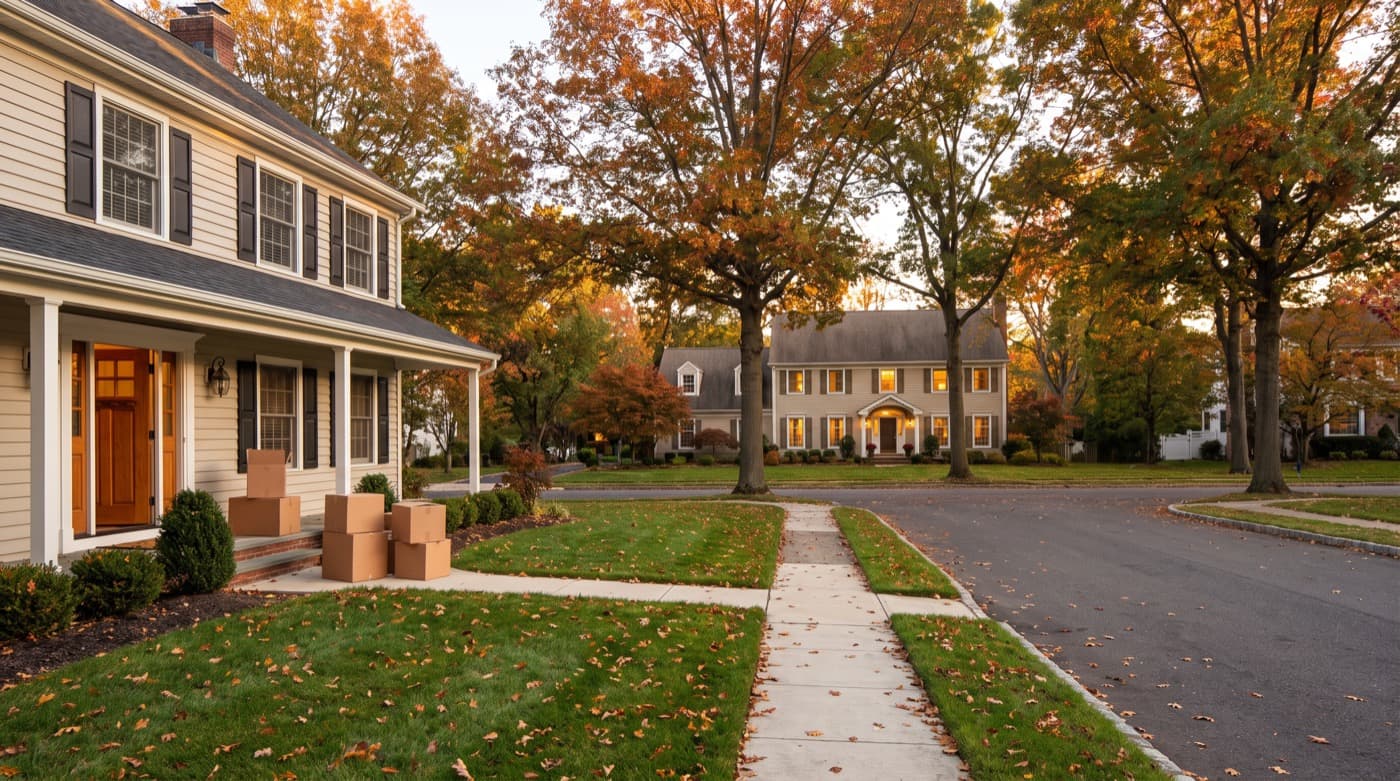
Late August is the most underrated maintenance window of the year in New Jersey. The brutal humidity is easing, and the fall rains, leaf drop, and first freeze are still weeks away. That makes now the time to get ahead of the problems that cost the most when they're ignored.
This list is NJ-specific. Our freeze-thaw cycles, heavy clay soil, aging housing stock, oil-heat legacy, and Atlantic storm season create maintenance needs that a generic national checklist misses. Whether you're settling in for the winter or planning to list this fall, here's what to handle in the next few weeks.
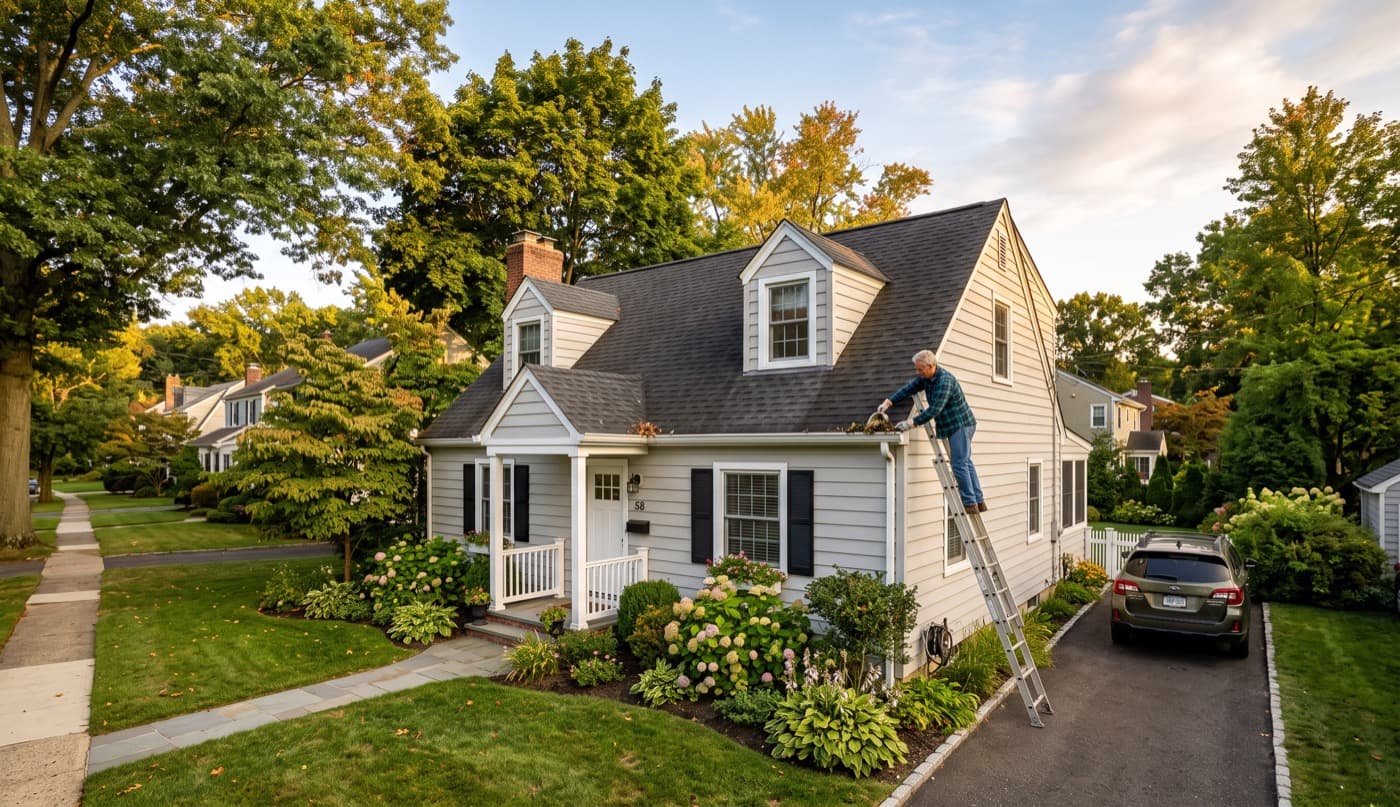
1. Clean the gutters
Do this now, then again after the leaves finish dropping in November. NJ's mature tree canopy, especially in older suburbs like Montclair, Maplewood, and Westfield, drops enough debris to clog gutters fast. Clogged gutters are the single most common cause of the water problems I see kill deals.
- Flush downspouts and confirm water discharges at least 4–6 feet from the foundation.
- Check for sagging sections and loose fasteners.
- Look for asphalt shingle granules collecting in the gutter, a sign the roof is aging.
Water that overflows against the foundation in a fall storm is how you get a wet basement in December.
2. Book heating service
HVAC companies get slammed the first week temperatures drop. Schedule your furnace or boiler service in late August or early September, while they still have openings.
- Replace filters.
- Have the system professionally inspected and cleaned.
- Test the thermostat by running the heat for a few minutes.
- If you heat with oil, schedule a tune-up and top off the tank before winter pricing climbs.
3. Oil tanks
If your home has (or ever had) an oil tank, late summer is the time to deal with it. NJ has a long legacy of buried and abandoned underground storage tanks (USTs), and a leaking tank is one of the most expensive surprises in an NJ transaction. Remediation can run into the tens of thousands.
- Above-ground tank: check for rust, weeping seams, and stable legs.
- If there might be a buried tank, a tank sweep now, before you list or just for peace of mind, is far cheaper than discovering it during a buyer's inspection. I'd get the sweep either way.
- Keep documentation of any prior removal or closure. Buyers and their attorneys will ask.
4. Chimney and fireplace
Before the first fire of the season:
- If you burn wood, have the chimney inspected and swept. Creosote buildup is a real fire risk.
- Check the cap and flashing for damage.
- Confirm the damper opens and closes cleanly.
5. Seal gaps
NJ's freeze-thaw cycle punishes any gap that water can get into. On a dry day:
- Re-caulk around windows, doors, and anywhere two different materials meet.
- Check exterior masonry and the foundation for cracks, and seal them before water freezes and widens them.
- Add or replace weatherstripping, which also trims your winter heating bill.
6. Drainage and sump pump
Fall is NJ's wet season, and heavy clay soil doesn't drain well. Before the rains:
- Test your sump pump. Pour water into the pit and confirm it kicks on and discharges away from the house.
- Consider a battery backup if you're on a well or lose power in storms.
- Check that the soil grades away from the foundation, and regrade low spots that pool water.
7. Storm prep
NJ's Atlantic storm season runs through the fall. To get ready:
- Trim tree limbs hanging over the roof, driveway, or power lines.
- Secure or store outdoor furniture as the season winds down.
- Know where your water main shutoff is.
- Shore-area homeowners (Monmouth, Ocean): review your flood readiness and confirm your coverage.
8. Outdoor plumbing
Before the first hard freeze (typically October–November, depending on your county zone):
- Disconnect and drain garden hoses.
- Shut off and drain exterior faucets (hose bibs).
- Schedule irrigation-system winterization (a blow-out) for later in the fall.
9. Deck and exterior
Late-summer dryness makes this the right time to:
- Inspect the deck for loose boards, popped nails, and soft or rotting spots, especially around the ledger boards.
- Reseal or restain if water no longer beads on the surface.
- Touch up exterior paint on trim and fascia before winter weather sets in.
Selling this fall?
Fall is New Jersey's strong secondary selling season, and buyers are sharp. The items that kill fall deals are almost always on this list:
- Basement water is a deal-killer. The gutter, grading, and sump pump items above are your best insurance against it.
- Oil tank documentation heads off a mid-transaction scramble.
- A serviced HVAC system with a recent receipt reassures buyers and takes one talking point away from the inspection.
- Fresh caulk, clean gutters, and touched-up trim read as a well-maintained home the moment a buyer pulls up.
Get ahead of these now and you won't be scrambling during attorney review.
Which repairs to do first
For a fall listing, I'd start with water: the gutters, the grading, and the sump pump. Which of the other repairs earn back their cost depends on the house, and walking through that before you go to market is something I do with clients. Get a free home valuation.
Related reading
- Spring Home Maintenance Checklist for NJ: the other half of the year
- How to Sell Your NJ Home in 2026
- NJ Real Estate Market Report — July 2026: the July 2026 market data for sellers